General Dentistry
August 23, 2026
Patient Safety in Dentistry: How Safe Is Your Dental Care?
 Dr. Rifat Alsaman
Dental treatment should protect patients while addressing their oral health needs. Patient Safety in Dentistry means preventing avoidable harm before, during, and after treatment. It includes infection control, accurate diagnosis, medication checks, communication, documentation, emergency readiness, and individualized risk assessment.
The World Health Organization reports that about one in ten patients experiences harm during healthcare. More than half of this harm may be preventable. Dental safety extends beyond clean instruments, because every clinical decision can influence patient wellbeing.
Dentists must consider medical history, allergies, medications, treatment complexity, and emergency risks. Patients also contribute by providing accurate information and reporting unexpected symptoms. A safe dental experience requires cooperation between patients, dentists, assistants, hygienists, and administrative teams.
What Is Patient Safety in Dentistry?
Patient safety in dentistry means reducing preventable risks tied to dental diagnosis, treatment, medication, infection control, and clinical communication. It applies across the full patient journey, starting before the appointment and continuing through follow-up care.
Dental teams use protocols to catch hazards before they become complications. These include identity verification, medical history reviews, allergy checks, consent, instrument sterilization, and emergency preparation. Safety also requires accurate records and clear communication between team members.
The concept covers physical, clinical, informational, and procedural protection. A patient should receive the intended treatment at the correct site every time. Equipment should stay properly maintained, and staff should understand their responsibilities during routine care and emergencies. Safe dentistry is a coordinated system rather than one isolated procedure, and strong systems reduce reliance on memory while helping teams catch problems earlier.
Why Patient Safety Matters in Dental Care
Dental procedures can involve local anesthesia, medications, radiographs, surgery, implants, sedation, and invasive instrumentation. These interventions create risks that require careful assessment and management. WHO estimates that roughly one in ten patients experiences harm across healthcare settings, and more than half of harmful events may be preventable.
Dental care carries added considerations, since clinicians work close to the airway and bloodstream. Instruments may contact saliva, blood, mucous membranes, or tissue. Effective safety practices improve patient confidence and clinical consistency, and they support better teamwork and documentation.
Patients benefit when clinicians explain risks clearly and verify critical information before proceeding. Prevention is generally preferable to managing an avoidable complication after treatment. This is why reputable practices treat patient safety as a daily operational priority, not an occasional concern raised only after something goes wrong.
Common Risks Patients May Face During Dental Treatment
Dental patients may face different risks depending on their health and treatment. Common concerns include infection transmission, medication reactions, allergic responses, bleeding, aspiration, and treatment-site errors. Diagnostic mistakes can also affect treatment decisions, since a missed medical condition may change the safest approach. Incomplete medication information can create avoidable drug interactions.
Communication failures may lead to misunderstandings about procedures or postoperative instructions. Procedural complications vary by treatment type. Extractions can involve bleeding or nerve-related complications, implants may involve infection or anatomical risks, and sedation can add monitoring requirements.
Risk does not mean treatment is unsafe. Proper assessment allows clinicians to identify hazards and set appropriate precautions in advance. WHO lists medication errors, infections, diagnostic errors, and patient misidentification among the leading sources of preventable healthcare harm. Understanding these risks in advance, rather than reacting after the fact, is one of the clearest practical expressions of patient safety in dental care.
The Role of Dental Professionals in Protecting Patients
Dental professionals create safety through consistent clinical processes. Dentists assess medical conditions, treatment indications, procedural risks, and alternatives. Dental assistants support preparation, documentation, infection control, and emergency readiness. Dental hygienists contribute through preventive care and infection-control practices, and reception teams support safety by recording patient information accurately.
Team communication matters most when patients have complex medical histories. Clear responsibilities reduce uncertainty during routine procedures and emergencies alike. Dental professionals should also maintain ongoing education and training, since safety knowledge can go out of date as procedures and recommendations change.
The CDC emphasizes education, training, standard precautions, and routine evaluation of infection-prevention practices. A strong safety culture encourages staff to flag potential problems early, which sits at the center of Patient Safety in Dentistry at every level of a practice.
Medical History and Risk Assessment
Medical history supplies the information needed to plan appropriate dental treatment. It includes chronic diseases, previous surgeries, medications, allergies, pregnancy, and past treatment reactions. The history should be reviewed, not simply collected once, because conditions and medications change over time. Patients should update their information whenever circumstances change.
Risk assessment can influence anesthesia, medication selection, treatment timing, and monitoring requirements. It may also determine whether medical consultation is needed before treatment. Patients should share accurate information even when a condition seems unrelated to dentistry, since small details can affect clinical decisions.
Dental teams should document important findings clearly. Risk assessment should stay proportional to the planned procedure, with complex treatment generally requiring more detailed evaluation than routine preventive care. This ongoing review is one of the least visible but most important parts of dental patient safety, because a plan built on outdated information can undermine every later decision.
Informed Consent and Patient Communication
Informed consent involves more than obtaining a signature. Patients should understand the proposed treatment, relevant risks, expected benefits, alternatives, and the consequences of declining care. Communication should use plain language rather than confusing technical terms.
Patients should have room to ask questions before treatment begins. Their concerns can reveal information that affects planning and can surface misunderstandings about expected outcomes. Consent should match the procedure being performed, and significant changes in treatment may call for additional discussion and consent.
Good communication builds trust while supporting safer decision-making, and it lets patients participate actively in their own care. Vitrin Clinic can build patient-centered discussions into treatment planning by explaining procedures and expected stages clearly, treating open dialogue as an essential part of Patient Safety in Dentistry rather than an optional courtesy.
Monitoring Patients During Treatment
Monitoring requirements depend on treatment complexity and patient risk. Even routine procedures need observation for discomfort, anxiety, allergic reactions, or unexpected changes. Sedation and anesthesia call for more structured monitoring, and the clinician must follow applicable professional standards for the chosen technique, including observation of breathing, responsiveness, circulation, and overall condition.
The dental team should catch changes early, because rapid recognition allows intervention before a situation worsens. Patients should report discomfort, dizziness, breathing difficulty, chest symptoms, or unusual sensations right away, since silence can delay recognition of a developing problem. Accurate documentation should record relevant clinical events and responses.
Attentive, ongoing monitoring, rather than a single check at the start of an appointment, is what turns good intentions into real patient safety.
Clinical Note: A useful principle is simple. The safest dental treatment begins before the procedure starts, when the clinician understands the patient, the planned procedure, the relevant risks, and the necessary precautions. Infection prevention remains essential, but it is only one part of comprehensive safety. Clinical safety also depends on communication, documentation, emergency readiness, and correct treatment-site verification. At Vitrin Clinic, patient-centered planning supports this broader approach by combining assessment, treatment planning, communication, and follow-up.
What Are the Essential Dental Patient Safety Protocols?
Dental safety protocols set repeatable steps for reducing preventable risks. They help teams avoid relying entirely on memory during busy schedules. Core protocols commonly include patient identification, medical-history verification, allergy checks, treatment verification, informed consent, infection prevention, and postoperative communication.
Protocols should be clear and consistently applied. The CDC provides dental infection-prevention resources to help practices set appropriate policies, training, supplies, and compliance monitoring. Protocols should also match treatment complexity, since surgical procedures may need more preparation than routine examinations. Patients can help by confirming their identity, treatment, allergies, and relevant medical information. Together, these repeatable steps form the practical backbone of safe dental care at any well-run practice.
Correct patient identification
prevents avoidable confusion. Dental teams should verify identifying information and confirm the intended procedure before treatment. Medical history should be reviewed for significant changes, since patients may develop new conditions or start new medications between appointments. WHO lists patient misidentification among the recognized sources of preventable healthcare harm.
Pre-treatment risk assessment
considers systemic health, medications, allergies, anxiety, previous complications, and the planned procedure. It should scale with clinical complexity. It can shape appointment timing and treatment sequencing, and patients should share relevant medical information honestly so the dentist can explain important risks beforehand.
Medication and allergy checks
help identify potential interactions and contraindications. Patients should report prescription medicines, over-the-counter products, and supplements. Allergy information should include the substance and any previous reaction. WHO identifies medication-related harm as a major contributor to preventable healthcare injury, so patients should never stop prescribed medication for dental treatment without discussing it first.
Informed consent
should explain what treatment is proposed and why, along with meaningful risks and reasonable alternatives. Consent discussions should reflect the actual procedure rather than lean on a generic form. Patients should have time to ask questions and understand expected recovery and warning signs in advance.
Treatment planning and patient verification
organize clinical decisions before treatment begins, weighing diagnosis, patient goals, risks, alternatives, and expected outcomes. The dentist should confirm the correct patient and intended treatment every time. For tooth-specific procedures, the treatment site should be clearly identified using radiographs and clinical findings. These steps reduce the chance of wrong-site or wrong-tooth treatment, a rare but serious safety concern.
Post-treatment instructions and follow-up
help patients manage recovery safely, covering expected symptoms, medications, hygiene, diet, activity, and warning signs. Follow-up requirements depend on treatment complexity, and patients should know how to reach the dental team with concerns. Vitrin Clinic supports patient understanding through structured aftercare communication tailored to each case.
Patient Safety in Dental Clinics: What Standards Should Clinics Follow?
Dental clinics should use evidence-based infection prevention, equipment management, emergency preparedness, documentation, and staff-training systems. Standards vary by jurisdiction and professional requirements, so clinics should follow applicable local regulations and recognized professional guidance.
The CDC describes standard precautions as minimum infection-prevention practices. These include hand hygiene, PPE, sharps safety, sterile instruments, safe injections, and environmental cleaning. The ADA Standards Program develops standards addressing dental products, informatics, safety, quality, reliability, and efficiency. A clinic should periodically check whether its policies work in practice, because written policies alone cannot guarantee safe performance.
Infection control
reduces the chance of microorganisms spreading between patients, staff, and clinical environments. Standard precautions apply regardless of suspected infection status. Sharps safety matters because dental procedures involve needles and cutting instruments, and the CDC emphasizes routine evaluation of infection-prevention programs so gaps can be caught before they cause harm.
Sterilization and disinfection
are distinct processes. Sterilization destroys microorganisms on instruments using validated methods, while disinfection reduces microorganisms on environmental surfaces. Heat-tolerant critical and semicritical instruments generally require sterilization between patients, and CDC guidance recommends heat sterilization after each patient for heat-tolerant handpieces specifically.
Personal protective equipment
creates barriers between dental professionals and potentially infectious materials, including gloves, masks, protective eyewear, and clothing. PPE should not replace hand hygiene, and gloves should change between every patient. This small barrier habit is an essential detail in the wider picture of clinic safety.
Safe handling of instruments
means used instruments move through appropriate cleaning, packaging, sterilization, and storage without shortcuts. Sharps need special handling, since accidental punctures can transmit bloodborne pathogens. Consistent handling protocols protect staff as much as they protect patients.
Environmental hygiene
covers cleaning frequently touched surfaces, such as equipment controls, chair surfaces, and handles, between patients. Products should be used according to manufacturer instructions so effectiveness is not compromised. This shows that Patient Safety in Dentistry extends well beyond the instrument tray into surfaces patients never think to question.
What we notice clinically: safety is strongest when multiple safeguards work together, since sterilization alone cannot prevent medication errors or communication failures. A useful approach includes assessment, verification, treatment, monitoring, documentation, and follow-up, all working together across the patient journey.
How Do Dentists Prevent Medical Errors in Dentistry?
Dentists reduce medical errors through structured workflows, verification systems, communication, documentation, and appropriate clinical training. Errors may arise from incomplete information, communication breakdowns, incorrect assumptions, or failures to verify critical details. WHO identifies diagnostic errors, medication errors, infections, and patient misidentification among the leading sources of preventable harm.
Dental teams can lower risk by building checkpoints that verify the patient, treatment, site, relevant history, and required equipment before important procedures. Digital records can improve access to information, but technology does not replace professional judgment. A strong safety culture encourages staff to speak up about inconsistencies before an error reaches the patient, and this willingness to speak up often separates a clinic that talks about safety from one that actually practices it.
Common error types include wrong-tooth or wrong-site treatment, which verification should prevent by comparing the planned treatment with clinical findings and imaging beforehand. Medication and dosage errors require verifying an updated medication list and clear prescription instructions. Diagnostic errors are best avoided through accurate history, examination, and clinical reasoning. Communication errors are reduced through clear, patient-friendly language and repeated instructions. Documentation errors happen when incomplete or outdated records create uncertainty at future visits. Each category needs its own safeguard, and systems should support clinicians with reliable information and clear verification points throughout care.
Dental safety checklists
create reliable checkpoints for important clinical activities. They verify patient identity, treatment site, medical history, allergies, imaging, consent, equipment, and postoperative instructions before treatment begins. The CDC provides an infection-prevention checklist to help dental settings assess policies and staff compliance. Checklists work best when teams understand why each step matters, rather than treating them as paperwork.
Communication between team members
should cover patient concerns, medical risks, allergies, treatment plans, and procedural changes before treatment begins, since unspoken assumptions can create unnecessary risk. Digital records can improve access to medical histories and support standardized documentation, though they do not guarantee accuracy. Teams should verify critical information rather than trust automatic fields blindly. The ADA recognizes informatics standards that support secure, interoperable clinical data exchange, and these standards quietly support safer care behind the scenes of every appointment.
What Are Safe Dental Treatment Practices for Different Procedures?
Different dental procedures create different risk profiles, so safe treatment means adapting precautions to the procedure and the patient in front of the clinician. Routine examinations require accurate history, diagnosis, infection control, and appropriate imaging. Surgical treatments require additional attention to bleeding, infection, medication, and emergency planning.
Implants involve anatomical planning and surgical infection control. Cosmetic procedures require careful assessment of expectations and tissue health. Sedation adds monitoring considerations depending on the technique used, and clinicians should document important decisions along the way.
During examinations and diagnosis, the clinician should review relevant history, identify the patient's current concern, examine systematically, and select imaging based on clinical need rather than habit. For fillings, the dentist should confirm the tooth and planned treatment, check for allergies before local anesthesia, and evaluate the restoration and bite after placement.
Root canal treatment requires confirming the affected tooth, maintaining isolation to protect the airway, and handling irrigating solutions carefully to avoid accidental extrusion. Tooth extraction requires assessing bleeding risk and verifying the correct tooth before removal, with clear postoperative instructions about bleeding, hygiene, diet, and warning signs.
Implant treatment requires evaluating bone volume, periodontal health, and medical history, with active oral disease managed before placement and healing monitored afterward. Cosmetic procedures should begin with an assessment of tooth structure, gum health, and realistic expectations, favoring minimal intervention when it safely achieves the desired result. Sedation and anesthesia require reviewing medical history and previous anesthesia reactions, following applicable professional standards, and having emergency equipment and trained staff on hand. This preparation, though rarely seen by patients, directly shapes patient safety.
What Is Dental Treatment Risk Management?
Dental treatment risk management means identifying, evaluating, reducing, and monitoring risks throughout care, starting before treatment and continuing through follow-up. Risk management does not mean eliminating every possible complication, since some remain possible despite appropriate care. The goal is to identify foreseeable risks and set reasonable preventive measures.
Patient-specific factors, such as age, medications, systemic conditions, anxiety, oral health, and treatment complexity, can all change the risk profile. This is why individualized risk management sits at the heart of Patient Safety in Dentistry rather than at its margins.
Identifying patient-specific risk factors
means considering medication-related concerns, bleeding risks, periodontal disease, complex anatomy, and lifestyle factors such as smoking that can affect healing.
Assessing medical and dental history
requires periodic updates, since patients may begin new medications or develop new conditions between visits, and previous complications deserve particular attention.
Managing allergies and medication interactions
requires accurate description of previous reactions, since not every unpleasant medication experience represents a true allergy.
Preventing treatment-related complications
begins with accurate diagnosis and planning, and patients also share responsibility by following instructions after treatment concludes.
Monitoring during and after treatment
means remaining attentive to changes and recognizing which symptoms require professional evaluation without delay.
Documentation and follow-up
should reflect assessment findings, treatment decisions, consent, and procedures in detail, supporting continuity of care and giving future clinicians a clear record of how Patient Safety in Dentistry was applied at each stage.
How Should Dental Clinics Prepare for Medical Emergencies?
Dental clinics should maintain emergency plans, since unexpected medical events can occur during treatment, however rare. The ADA recommends preparation through prevention, action plans, recognition, emergency drugs, equipment, and staff training reviewed regularly. Annual review is a minimum, and more frequent practice is preferable. Emergency equipment should stay maintained and accessible, since expired or missing supplies can compromise a response when it matters most.
Recognizing emergencies
early lets the team start the right response, and staff should know when to call emergency medical services without hesitation. Common emergencies include syncope, where the team should watch for warning signs like dizziness or sweating and monitor recovery. Allergic reactions range from mild skin symptoms to life-threatening anaphylaxis and require an accurate allergy history beforehand. Breathing difficulties demand rapid recognition, given how close dental work sits to the airway. Chest pain should never be dismissed as anxiety without proper assessment. During seizures, staff should protect the patient from injury rather than attempt unsafe restraint. Recognizing these situations quickly, rather than hesitating, is one of the most demanding real-world tests a dental team can face.
Emergency equipment may include oxygen, emergency medications, suction, monitoring devices, and an AED, depending on applicable requirements, and exact needs vary by jurisdiction and treatment type. Staff training should cover recognition, communication, emergency activation, and clinical response, with mock emergencies improving confidence and coordination.
What we notice clinically: the probability of a specific emergency may be low, but the consequences can be serious. Preparation provides value even when emergencies are uncommon.
What Should Patients Know About Safe and Sterile Dental Procedures?
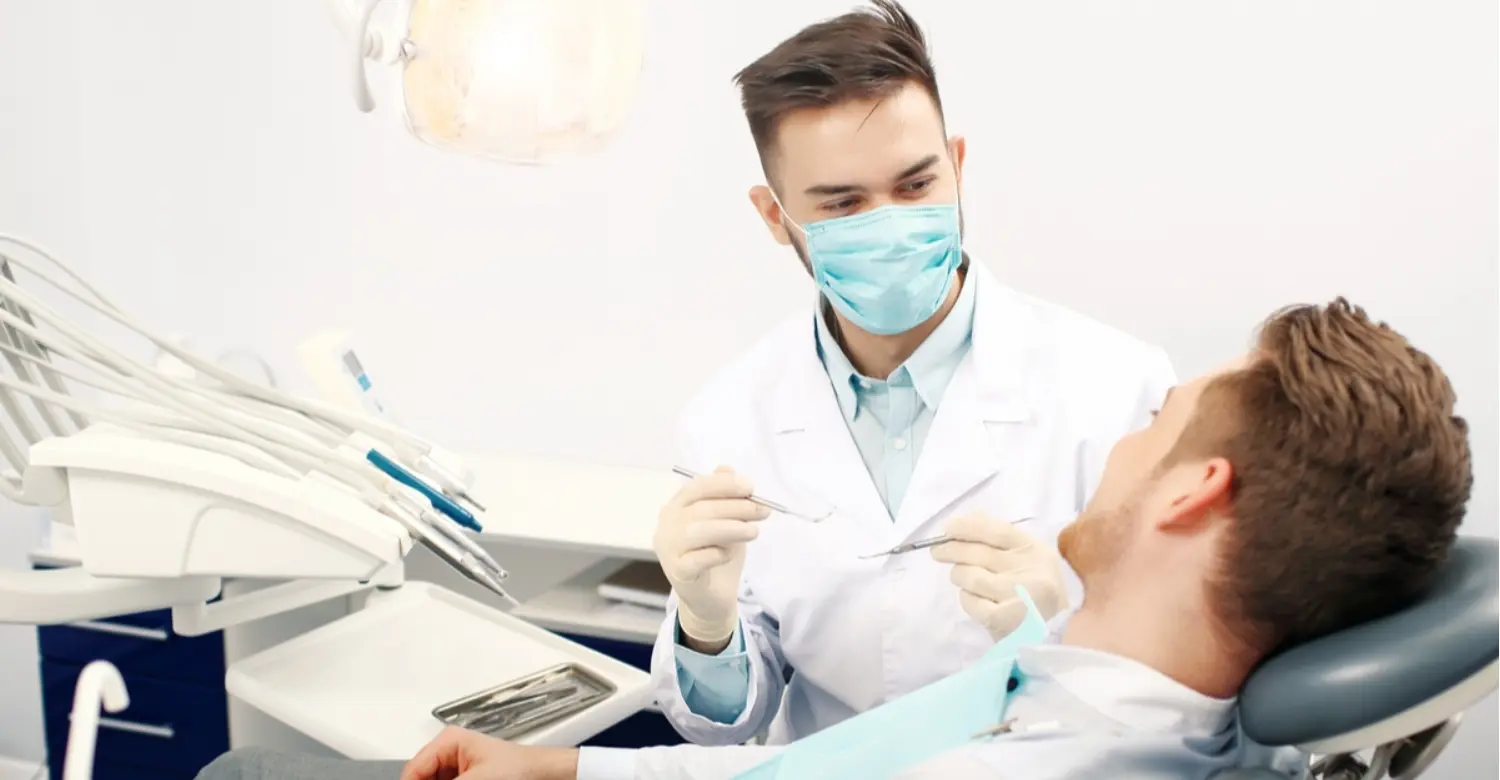
Patients should understand that sterile dental care involves several connected processes. Instrument sterilization is only one part, alongside hand hygiene, PPE, environmental cleaning, and surface disinfection. The CDC identifies these practices as components of standard precautions in dental settings. Patients can reasonably ask how instruments are processed without feeling embarrassed, since this curiosity reflects a healthy interest in safe care.
Dental instruments are sterilized based on their classification and intended use. Heat-tolerant semicritical instruments should be sterilized after each use, with cleaning happening first, since organic material can interfere with the process. Some products are designed for single use, while others are made for validated cleaning and sterilization. Single-use items should never be reused outside their intended purpose.
Sterile packaging should stay protected until needed, and damaged or compromised packaging requires reprocessing before use. Surface disinfection between patients should address high-touch areas, using products applied according to manufacturer instructions. Hand hygiene remains fundamental, and gloves do not replace it. Dental professionals should perform hand hygiene at appropriate moments before and after patient care.
Patients can support safer care by sharing accurate medical information, asking about treatment plans and infection-control procedures, confirming instructions before leaving, and reporting unexpected symptoms promptly.
Why Are Dental Safety Standards and Guidelines Important?
Dental standards create consistent expectations for clinical products, processes, and professional practice. The ADA Standards Program works with experts to develop standards addressing safety, quality, reliability, efficiency, and interoperability. Guidelines help dental teams translate evidence into practice across infection prevention, emergency readiness, documentation, and occupational protection. Standards do not eliminate clinical judgment, since dentists still need to adapt care to individual circumstances.
Infection-control standards, emphasized by the CDC, cover hand hygiene, PPE, sharps safety, sterile instruments, and environmental disinfection. Professional guidelines address anesthesia, radiography, medication use, and emergency care, and they evolve as evidence develops. Occupational safety protects dental staff from hazards involving sharps, chemicals, radiation, and ergonomic strain, addressed through applicable OSHA standards.
Radiation safety during imaging means choosing the type and frequency of imaging based on clinical need rather than routine habit. Clinical documentation and patient privacy require secure access controls, and the ADA recognizes standards supporting interoperable dental information exchange. Continuing education keeps clinical techniques and recommendations current, and emergency skills in particular fade without regular practice.
How Does Patient Protection Work in Dental Care?
Patient protection means preventing avoidable harm while respecting patient autonomy. Patients should receive clear information before agreeing to treatment, including relevant risks, benefits, alternatives, and expected outcomes. Protection also involves confidentiality, appropriate infection control, accurate identification, and safe clinical processes working together. It works best when patients and clinicians cooperate closely.
Patients have the right to understand their treatment through explanations suited to their level of understanding, and technical language should be clarified whenever it causes confusion. They have the right to ask about treatment duration, risks, alternatives, recovery, costs, and maintenance. Informed consent and alternatives should be discussed meaningfully rather than through a generic form, and for elective treatment this may include no treatment, preventive care, or a different procedure altogether.
Protection from preventable risks includes accurate identification, medication verification, treatment-site confirmation, and appropriate monitoring. Confidentiality of medical histories, imaging, and financial information requires appropriate security controls. Clear communication about risks and benefits should give patients realistic expectations, not guarantees of a specific outcome.
How Does Technology Improve Patient Safety in Dentistry?
Technology can improve information accuracy, visualization, planning, documentation, and monitoring, though it does not automatically make care safer, since incorrect data can still produce incorrect recommendations. The ADA notes that dental standards increasingly address informatics and artificial intelligence, weighing safety, efficacy, transparency, and fairness. Digital tools should support clinical judgment rather than replace it.
Digital patient records
can improve access to medical histories and support alerts for allergies or missing documentation, though clinicians should still verify important information themselves.
Digital treatment planning
helps visualize anatomy before work begins, supporting implant planning, orthodontics, and complex rehabilitation, though the final decision still requires professional evaluation.
AI-assisted diagnosis
can assist with image analysis and pattern recognition, but should be treated as an assistive technology rather than a replacement for clinical expertise.
Digital radiography
can improve workflow, though exposure should remain clinically justified regardless of convenience.
CAD/CAM and computer-guided dentistry
can improve consistency in restorative workflows, though quality control remains necessary at every stage.
Digital monitoring
can support follow-up through photographs and scans, complementing rather than replacing clinical examination.
A digital record cannot correct inaccurate information, an AI system cannot replace professional judgment, and a digital scan cannot eliminate the need for clinical examination — technology should reduce uncertainty rather than create new sources of error.
How Can Patients Improve Their Own Dental Safety?
Patients play an active role in safer dental care, and accurate information allows clinicians to make better decisions on their behalf. A collaborative relationship between patient and dental team improves communication and reduces misunderstandings.
Patients should provide a complete medical history, even when a condition seems unrelated to dentistry, since bleeding, immunity, cardiovascular, or breathing conditions may influence treatment planning. They should accurately report medications and allergies, describing the nature of previous reactions rather than using a vague label.
They should follow pre-treatment instructions about eating, fasting, medication, and transportation, and ask questions if anything is unclear. They should feel free to ask about risks and alternatives before agreeing to treatment, and about long-term expectations for elective procedures.
They should report unexpected symptoms, such as increasing swelling, uncontrolled bleeding, or breathing difficulty, rather than waiting them out. They should follow post-treatment instructions about hygiene, diet, medication, and activity, without adjusting prescribed doses on their own. Each of these small habits contributes meaningfully to safer dental care, turning the patient into an active partner rather than a passive bystander.
What We Notice Clinically About Patient Safety in Dentistry
Clinical safety is a system that begins before treatment and continues afterward, spanning the entire relationship between patient and clinic. The most effective approach combines risk assessment, communication, infection prevention, accurate documentation, emergency preparation, and follow-up into one coherent process. WHO estimates that around one in ten patients experiences harm across healthcare settings, and more than half may be preventable.
Safety starts before the procedure
when the team confirms the patient, medical history, allergies, planned procedure, and relevant imaging.
Infection control is only one part of safety
since medication errors, diagnostic mistakes, communication problems, and wrong-site treatment require separate safeguards of their own.
Communication helps prevent avoidable errors
by ensuring patients and team members understand important information without ambiguity.
Every patient requires individual risk assessment
since a standard procedure may require different precautions for different patients.
Emergency preparedness should always be maintained
because emergencies may occur despite careful prevention, and prepared teams can respond more systematically when unexpected events occur.
Dr. Rifat Alsaman's Opinion
From a clinical perspective, safety should be built into every treatment decision, and a successful dental procedure should protect health while achieving the planned clinical objective. Dr. Rifat Alsaman emphasizes understanding each patient's circumstances before selecting treatment, and keeping patient communication clear throughout the process. Clinical excellence involves more than technical execution. It includes appropriate diagnosis, preparation, infection control, documentation, monitoring, and follow-up, and this sense of support is, in his view, inseparable from genuine patient safety.
Why Choose Vitrin Clinic for Patient-Centered Dental Care?
Vitrin Clinic builds patient-centered care around individualized assessment and communication that respects each patient's unique circumstances. Safety stays part of treatment planning rather than a separate administrative step bolted on at the end. Patients benefit from clear explanations before procedures and structured communication afterward. Modern dental technology supports diagnosis and treatment planning when used appropriately, never as a replacement for judgment.
This approach relies on personalized treatment planning that weighs medical history, dental findings, and risk factors together. It relies on experienced dental professionals who recognize their limitations and seek specialist support when necessary. It relies on modern digital dentistry that supports, rather than replaces, clinical decisions. It relies on infection control integrated into everyday workflows rather than treated as a special occasion. And it relies on clear communication before, during, and after treatment that builds trust and reduces avoidable misunderstandings.
How Does Vitrin Clinic Support Safe Dental Treatment?
Safe dental treatment requires coordination between assessment, planning, clinical execution, and aftercare across the entire visit. Vitrin Clinic supports this model through structured consultations and individualized treatment planning. Comprehensive consultation and assessment let clinicians understand the patient's concerns and medical background from the first visit.
Individualized treatment plans explain stages, alternatives, risks, and expected outcomes clearly, rather than following a one-size-fits-all template. Modern clinical workflows help teams maintain consistency, and patient education and aftercare give patients practical instructions that are easy to follow at home. Ongoing communication means patients know how to reach the clinic when concerns arise, supporting continuity of care beyond the appointment itself.
Tips for Patients: How to Stay Safe Before, During, and After Dental Treatment
Patients can improve their dental experience through preparation and communication at every stage of care. Before your appointment, prepare an updated medication and allergy list, bring relevant medical records, write down questions in advance, and confirm the planned treatment.
During treatment, tell the dental team if something feels unusual, ask questions when instructions are unclear, and stay communicative about pain, anxiety, dizziness, or breathing changes. After the procedure, follow written and verbal instructions closely, take medications exactly as prescribed, maintain appropriate oral hygiene, avoid restricted activities, and attend recommended follow-up appointments.
Contact your dentist when symptoms are severe, persistent, worsening, or unexpected, such as increasing swelling, persistent bleeding, significant pain, or suspected infection. A dental emergency requiring immediate medical attention includes severe breathing difficulty, loss of consciousness, significant chest symptoms, uncontrolled bleeding, or rapidly worsening swelling. Patients should follow the emergency instructions provided by their dental team. For life-threatening symptoms, emergency medical services should be contacted according to local emergency procedures.
Final Takeaway: Why Patient Safety Should Come First in Dentistry
Safe dental care requires more than excellent technical skills. It depends on preparation, infection control, accurate diagnosis, communication, medication verification, emergency readiness, and follow-up. WHO data show that preventable harm remains a significant healthcare challenge, so dental clinics should treat safety as a continuous quality process rather than a one-time achievement.
Patients should also participate actively by sharing accurate information and asking questions, because Patient Safety in Dentistry is ultimately a partnership, not something delivered to a passive recipient. Sterilization is essential but represents only one safety layer among many. Patients also need accurate identification, appropriate diagnosis, medication checks, informed consent, and emergency preparedness working together.
Choosing a patient-centered clinic means considering whether it communicates clearly, follows appropriate infection-control practices, documents care, and provides structured follow-up. A consultation with Vitrin Clinic lets patients discuss their medical history, treatment goals, risks, alternatives, and expected outcomes, leading to a personalized dental treatment plan built around individual needs. Every recommendation in this guide points back to the same idea: safe dental care is not a single checkbox but a continuous habit of preparation, honest communication, and careful follow-through that benefits both patients and the clinicians who care for them.
Reference
FAQs
Dr. Rifat Alsaman has more than 5 years of clinical experience in dentistry and currently serves as the Head of the Medical Team at Vitrin Clinic. He is dedicated to providing exceptional patient care, overseeing treatment planning, and ensuring the highest clinical standards across the team. His expertise, attention to detail, and commitment to continuous professional development have helped countless patients achieve healthier, more confident smiles.


