

Many people living with gout ask the same question after a painful flare-up: can gout affect your teeth? Gout does not deposit crystals directly in the teeth. It can still influence your gums, jaw, and overall oral health in indirect ways. This article explains how gout relates to your teeth, what gout mouth symptoms look like, and how Vitrin Clinic helps patients protect their smile while managing this condition.
What Is Gout?
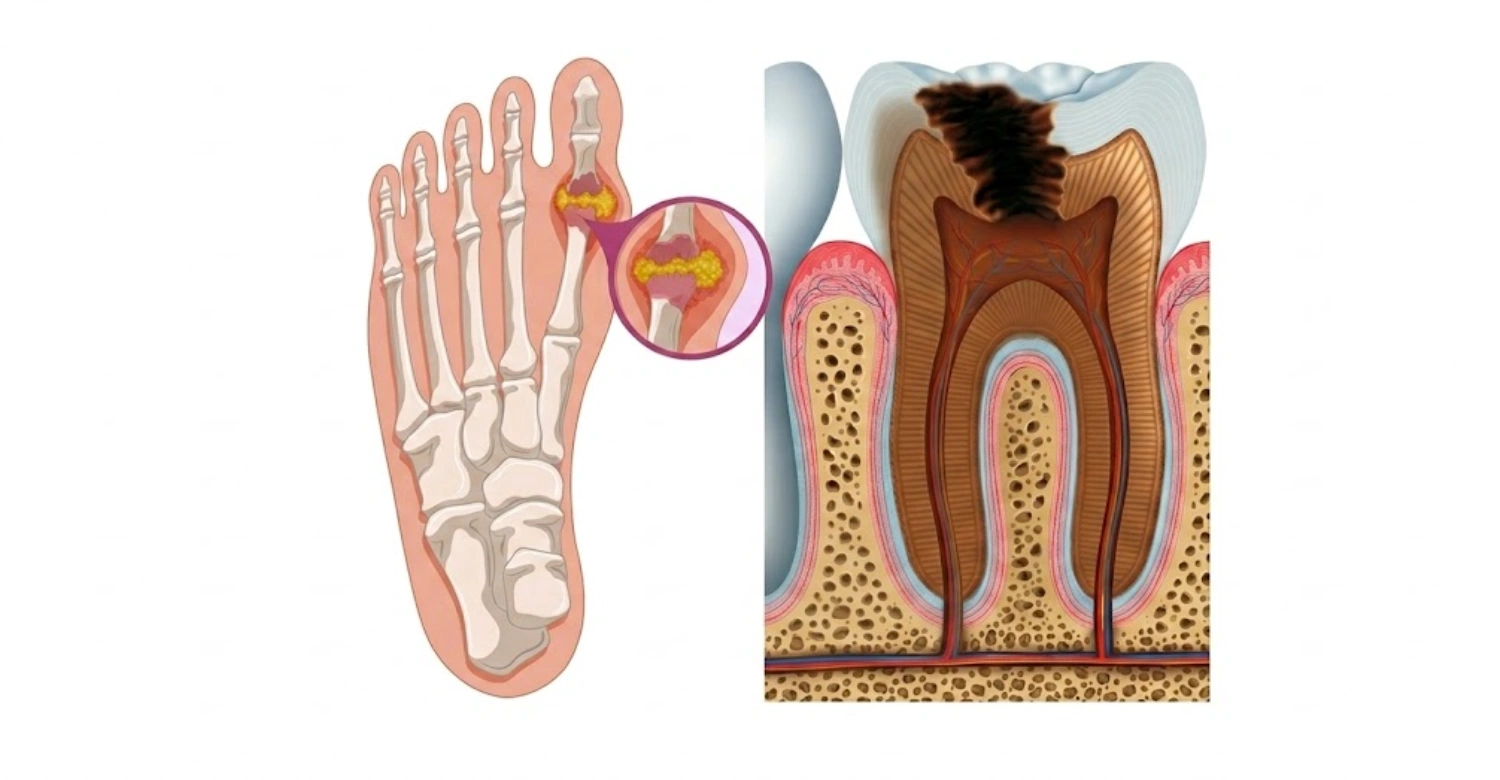
Gout is a form of inflammatory arthritis. It happens when high uric acid levels build up in the blood. The excess uric acid can crystallize in joints and cause sudden, severe pain. Gout is best known for affecting the big toe. Understanding the condition itself is the first step toward exploring how it relates to your teeth.
How Does Gout Affect the Body?
Gout affects far more than one joint. Uric acid buildup can trigger inflammation throughout the body. This systemic inflammation is part of why researchers keep exploring gout's link to your teeth, including gum tissue, jaw comfort, and overall dental wellbeing.
How Uric Acid Builds Up in the Body
Uric acid forms when the body breaks down purines from food and cell turnover. When the kidneys cannot clear it efficiently, uric acid builds up in the bloodstream. Eventually it forms sharp crystals in cooler areas of the body, most often the joints of the feet and hands.
What Happens When Uric Acid Crystals Form?
Once uric acid crystals form, the immune system reacts with intense inflammation, redness, and pain. These crystals favor cooler body tissues. That detail matters when comparing how gout affects the joints versus the mouth.
Can Gout Directly Damage Teeth?
Gout crystals do not form directly in the teeth or jaw bones. Urate crystals mainly deposit in synovial joints that stay cooler than the mouth. Oral structures generally stay too warm for crystal formation. Direct mechanical damage from gout to tooth enamel is unlikely.
Clinical Note
Direct crystal deposition in teeth is rare. Gout can still affect the temporomandibular joint (TMJ) and the soft tissues around the mouth. This means gout's effect on your teeth stays connected to soft tissue health, even without crystals forming inside a tooth.
Can Gout Affect Your Teeth? The Real Connection
When people ask can gout affect your teeth, the connection is largely indirect. Shared inflammatory pathways, medication side effects, and elevated uric acid levels appear linked to a higher risk of gum problems. Gout itself does not physically erode the tooth structure.
How Can Gout Affect Oral Health?
Gout can affect oral health through systemic inflammation, dry mouth from certain medications, and a documented link between hyperuricemia and periodontitis. These factors combine to make this an important issue for patients managing chronic uric acid problems.
Can Uric Acid Affect Your Teeth?
From a uric acid standpoint, the link runs mainly through gum tissue rather than the tooth surface itself. Research shows hyperuricemia is associated with periodontitis. Elevated blood uric acid levels have been repeatedly linked to more severe periodontal destruction in several studies.
Uric Acid and Teeth: What Is the Connection?
Higher uric acid levels are associated with inflammatory changes. These changes can weaken the gum tissues and the supporting bone that holds teeth in place over time.
Can Uric Acid Crystals Affect Oral Tissues?
Uric acid crystals rarely form inside oral tissue. A study analyzing saliva from gout and hyperuricemia patients found notably altered oral microbiomes compared with healthy controls. It included higher levels of the bacterium Prevotella intermedia, suggesting increased susceptibility to periodontitis.
Can Gout Cause Tooth Pain or Sensitivity?
Gout itself does not usually cause tooth pain the way a cavity or infection would. Gum inflammation and jaw discomfort linked to gout can sometimes be mistaken for tooth sensitivity. This is why patients often wonder about this specific overlap.
Tips for the Patients
Patients noticing unexplained tooth sensitivity alongside a gout flare should mention both symptoms to their dentist. Distinguishing gum-related discomfort from an actual dental problem helps guide the right treatment. It also avoids unnecessary anxiety about tooth health.
What Are the Oral Symptoms of Gout?
People searching this topic are often really asking about oral symptoms. These symptoms usually relate to inflammation rather than the teeth themselves. Recognizing gout mouth symptoms early can help patients seek timely dental evaluation. It also helps avoid confusing gum issues with unrelated dental disease.
What Are Common Gout Mouth Symptoms?
Common gout mouth symptoms include jaw stiffness, gum tenderness, and occasional swelling near the TMJ. These symptoms are not universal. They appear often enough that clinicians consider them when evaluating patients with a known gout history.
Mouth or Jaw Discomfort
Some gout patients report a dull ache near the jaw joint, especially during a flare. This can make chewing feel uncomfortable even though the teeth themselves are healthy.
Swelling or Inflammation
Mild swelling around the gum line or jaw area can occur alongside systemic inflammation. This reflects the broader effects of gout on oral health rather than a localized dental infection.
Gum Irritation
Gum irritation may appear as redness or tenderness. It is particularly common in patients with poor oral hygiene combined with hyperuricemia, reinforcing the gout and gum disease connection.
Changes in Oral Comfort
Patients sometimes notice subtle shifts in oral comfort, such as increased sensitivity to temperature or pressure. These changes are usually linked to inflammation rather than direct damage from gout.
Can Gout Cause Swollen Gums?
Swollen gums are one more piece of this puzzle. Gout can contribute to swollen gums indirectly through systemic inflammation and altered immune response. Patients with elevated uric acid may notice more gum sensitivity over time.
Can Gout Cause Dry Mouth?
Yes, this is one of the clearest indirect effects. Colchicine, a common gout medication, can reduce salivary flow as it lowers uric acid. Reduced saliva is a known risk factor for other dental problems, including decay and gum irritation.
Clinical Note
Patients on colchicine or other uric acid–lowering medications should monitor for dry mouth. They should discuss saliva-friendly strategies with their dentist, since this side effect ties gout treatment directly to oral health outcomes.
Can Gout Cause Gum Disease?
Gout does not directly cause gum disease, but it raises the risk. The relationship between gout and gum disease is supported by research linking hyperuricemia to periodontitis. Regular dental checkups are especially important for gout patients.
Is There a Connection Between Gout and Gum Disease?
There is a meaningful connection between gout and gum disease. Elevated uric acid levels have repeatedly been linked to more severe periodontal destruction across several cross-sectional and interventional studies. This suggests a shared inflammatory foundation.
How Can Gout Affect Gum Health?
One clear pathway runs through gum health. Gout promotes a chronic inflammatory state in the body. That state also influences the tissues supporting the teeth, making gum disease progress more easily in people managing uric acid buildup.
Inflammation and Gum Health
Systemic inflammation from gout can lower the body's ability to control oral bacteria. This allows gum inflammation to progress more readily if oral hygiene is not carefully maintained.
Oral Hygiene and Gout
Consistent oral hygiene becomes even more important for gout patients. The combination of inflammation and altered saliva can accelerate plaque buildup and gum irritation over time.
Can Gout Increase the Risk of Gum Problems?
Gout can increase the risk of gum problems through the combined effects of hyperuricemia, medication side effects, and altered oral bacteria. All of these support the documented link between gout and periodontal disease.
Gout and Periodontal Disease: Is There a Link?
Current research suggests a link between gout and periodontal disease, though the evidence is still developing. The connection appears rooted in shared inflammatory pathways rather than a direct mechanical effect on the teeth.
What Is Periodontal Disease?
Periodontal disease is a chronic infection of the gums and supporting bone structures. If untreated, it can lead to gum recession, bone loss, and eventually tooth loss.
Can Gout and Periodontal Disease Occur Together?
Gout and periodontal disease can occur together, particularly in patients with long-standing hyperuricemia. Managing both conditions typically requires coordinated care between a rheumatology provider and a dental team.
Inflammation and Periodontal Health
Chronic inflammation from gout may weaken the gum tissue's resilience. This makes it more vulnerable to bacterial buildup and the progression of periodontal disease over time.
Why Gum Health Matters for People With Gout
Gum health matters for people with gout because untreated periodontal disease adds to the body's overall inflammatory load. This may complicate gout management in the long run.
Can Treating Periodontal Disease Improve Oral Health?
Treating periodontal disease can meaningfully improve oral health. It reduces gum inflammation, protects the bone that supports the teeth, and lowers the bacterial burden linked to further complications.
How Does Gout Affect Overall Oral Health?
Zooming out, gout affects overall oral health mainly through inflammation, medication side effects, and its association with periodontal disease. This happens rather than through direct damage to tooth enamel or dentin.
Can Gout Affect the Jaw?
Beyond gum tissue, gout can involve the temporomandibular joint. This can cause discomfort, stiffness, or mild swelling during flares, even though it is less common than joint involvement elsewhere in the body.
Can Gout Cause Changes in the Mouth?
Gout can cause subtle changes in the mouth, including dry mouth from medication, gum sensitivity, and occasional jaw discomfort. All of these are worth monitoring with a dentist.
Can Gout Affect Tooth Loss Risk?
Historical 19th-century dental literature offers an early attempt to answer this question. It describes cases where tooth loss was attributed to a "gouty condition," particularly in patients with a family history of gout. This evidence is largely anecdotal by modern standards.
Factors That May Contribute to Tooth Problems
Dry mouth, gum disease, and reduced oral hygiene motivation during flares can all contribute to tooth problems in gout patients. This happens even without direct crystal damage to the teeth.
The Importance of Preventive Dental Care
Preventive dental care helps catch early gum changes before they progress. This reduces the chance of long-term inflammation and tooth loss.
What Are the Risk Factors for Oral Problems in People With Gout?
Several factors help explain individual risk. Hyperuricemia, certain gout medications, dehydration, and poor oral hygiene can all combine to increase the chance of oral health complications in gout patients.
How Can Gout Medications Affect Oral Health?
Gout medications, particularly colchicine, can reduce saliva production. This raises the risk of dry mouth and related dental issues, which is why medication history matters during dental visits.
Can Diet and Gout Affect Dental Health?
Diet plays a dual role. Foods that trigger gout flares can also affect dental health. Staying mindful of both diet and oral hygiene supports better outcomes overall.
Does Dehydration Affect Oral Health in People With Gout?
Dehydration can reduce saliva flow, which naturally protects teeth and gums. Gout patients who are prone to dehydration may face a higher risk of oral health issues.
How Does Poor Oral Hygiene Affect Gout and Teeth?
Poor oral hygiene can worsen the relationship between gout and teeth. It allows plaque and bacteria to build up faster, especially when saliva flow is already reduced by medication.
How Can You Protect Your Teeth and Gums if You Have Gout?
Understanding the risks is only half the picture. Protecting your teeth and gums involves consistent hygiene, hydration, and communication with both your rheumatology and dental providers. This helps manage inflammation from multiple angles.
Maintain Good Oral Hygiene
Brushing twice daily and flossing regularly helps offset the added inflammatory risk that gout may bring to the gums and supporting tissues.
Stay Hydrated
Staying hydrated supports healthy saliva production. This helps protect against the dry mouth side effects sometimes caused by gout medications.
Schedule Regular Dental Checkups
Routine checkups allow early detection of gum changes. This helps prevent minor irritation from progressing into more serious periodontal disease.
Follow Your Gout Treatment Plan
Sticking to your prescribed gout treatment plan helps control uric acid levels. This may in turn reduce the systemic inflammation linked to oral health problems.
Tell Your Dentist About Your Gout and Medications
Sharing your gout diagnosis and medication list with your dentist ensures they can tailor your care. This includes planning around dry mouth risk and inflammation patterns specific to your condition.
How Are Gout-Related Oral Problems Diagnosed?
Diagnosis relies on a combination of dental examination, patient history, and sometimes additional testing. This happens when symptoms suggest a broader inflammatory cause.
What Does a Dental Examination Include?
A dental examination typically includes a visual check of the teeth and gums, an assessment of jaw movement, and a review of any swelling or tenderness reported by the patient.
Checking the Teeth and Gums
Dentists look for signs of decay, gum recession, and inflammation. These signs may be influenced by underlying conditions such as gout.
Identifying Signs of Gum Disease
Bleeding, swelling, and pocket depth around the gums are checked. These signs help identify early or advancing gum disease.
Evaluating Jaw or Oral Swelling
Jaw discomfort or swelling is evaluated to rule out TMJ involvement. This can occasionally accompany gout flares.
When May Additional Testing Be Needed?
Additional testing, such as blood work or imaging, may be needed. This applies if oral symptoms are unusually severe or if the dentist suspects an underlying systemic cause.
Clinical Note
Any persistent, unexplained oral swelling in a patient with a gout history deserves prompt evaluation. This helps rule out unrelated causes before attributing it to gout alone.
How Are Dental Problems Treated in Patients With Gout?
Since the effect is largely indirect, dental problems in gout patients are treated using standard dental protocols. Treatment is adjusted where necessary for medication side effects like dry mouth or reduced healing capacity during flares.
Treatment for Tooth Decay and Tooth Pain
Tooth decay and tooth pain are treated with standard restorative dentistry. Dentists also address any contributing dry mouth issues linked to gout medications.
Treatment for Gum Disease and Periodontal Disease
Gum disease is one of the clearest indirect pathways. Treatment involves deep cleaning, improved hygiene routines, and closer monitoring in patients whose gout history suggests a higher inflammatory risk.
How Can Dentists Manage Oral Inflammation?
Dentists manage oral inflammation with professional cleanings and targeted hygiene advice. They also coordinate with a patient's physician when systemic inflammation appears to be a contributing factor.
Why Is Early Dental Treatment Important?
Early dental treatment prevents minor gum irritation from progressing into more serious periodontal disease. This matters given how often this pathway shows up in gout patients.
How Vitrin Clinic Approaches Patients With Gout
Vitrin Clinic looks beyond the teeth themselves when treating patients with gout. The team considers how systemic inflammation and medication history may be shaping a patient's oral health.
Comprehensive Dental Assessment
At Vitrin Clinic, every assessment includes a full review of gum health, jaw comfort, and hygiene habits. This gives patients a complete, personal picture of their oral health.
Personalized Oral Health Planning
Every patient's situation is different. Vitrin Clinic builds personalized oral health plans that account for dry mouth risk, gum sensitivity, and other factors tied to a patient's gout management.
Preventive Dental Care
Preventive dental care at Vitrin Clinic focuses on catching early gum changes before they progress. This is where gout most often influences oral health, reducing long-term risk for patients managing chronic uric acid conditions.
Can Treating Gout Help Protect Your Oral Health?
Treating gout effectively can help protect oral health. It reduces the systemic inflammation and hyperuricemia that have been linked to gum disease progression.
Why Managing Uric Acid Levels Matters
Managing uric acid levels matters because sustained hyperuricemia has been associated with more severe periodontal outcomes. This ties gout control directly to gum health.
Can Gout Management Support Better Overall Health?
Good gout management supports better overall health by lowering systemic inflammation. This may reduce strain on multiple body systems, including the gums and supporting oral tissues.
Why Should Dental Care Be Part of Your Overall Health Routine?
Dental care should be part of your overall health routine. Oral inflammation and systemic conditions like gout appear to influence one another in both directions.
When Should You See a Dentist?
If you are still unsure how this applies to your own case, watch for warning signs. See a dentist whenever you notice new gum swelling, persistent discomfort, or any unexplained oral symptom, especially if you already manage a chronic condition like gout.
Dental Symptoms You Should Not Ignore
Certain oral symptoms deserve prompt attention. Ignoring them can allow minor irritation to develop into more significant dental or periodontal problems.
Persistent Tooth Pain
Ongoing tooth pain that does not resolve on its own should always be evaluated, even if it seems unrelated to a gout flare.
Swollen or Bleeding Gums
Swollen or bleeding gums can signal early gum disease. This is worth monitoring closely given the established gout and gum disease link.
Loose Teeth
Loose teeth may indicate advanced periodontal involvement. They should prompt an immediate dental evaluation rather than a wait-and-see approach.
Jaw Pain or Swelling
Jaw pain or swelling, particularly during a gout flare, should be assessed. This helps distinguish TMJ involvement from an unrelated dental issue.
When Should Oral Symptoms Be Evaluated Urgently?
Oral symptoms should be evaluated urgently if they include significant swelling, fever, or sudden tooth mobility. These signs may indicate infection requiring prompt care.
Vitrin Clinic: Dental Care for Patients With Gout
Vitrin Clinic offers dedicated dental care for patients with gout. The team combines thorough evaluation with practical strategies for maintaining long-term oral health.
Comprehensive Dental Evaluation at Vitrin Clinic
Every patient at Vitrin Clinic receives a comprehensive dental evaluation. It considers medical history, current medications, and any gout-related symptoms affecting the mouth.
Personalized Treatment Planning at Vitrin Clinic
Vitrin Clinic develops personalized treatment plans. These plans address both immediate dental needs and longer-term strategies for reducing gum sensitivity linked to systemic inflammation.
Preventive and Cosmetic Dental Care
Alongside preventive care, Vitrin Clinic also offers cosmetic dental services. This helps patients maintain both the health and appearance of their smile over time.
Supporting Long-Term Gout and Oral Health Management
Vitrin Clinic focuses on comprehensive evaluation and personalized treatment planning. This helps patients maintain healthy teeth and gums while managing their broader health needs, treating oral health as part of one complete plan.
What We Notice Clinically
Clinically, the team at Vitrin Clinic often sees gum sensitivity, mild dry mouth, and occasional jaw discomfort in patients with a gout history. This happens even when the teeth themselves show no direct damage, which matches the pattern research would predict.
Dr. Rifat Alsaman on the Importance of Regular Dental Care
Dr. Rifat Alsaman, Head of the Medical Team at Vitrin Clinic and a cosmetic dentist, emphasizes the importance of maintaining healthy teeth and gums in patients managing systemic conditions such as gout.
Dr. Rifat Alsaman on Gout and Gum Health
Dr. Rifat Alsaman highlights that patients experiencing persistent gum inflammation, oral discomfort, or unexplained dental symptoms should receive a professional dental evaluation. They should not assume these symptoms are simply part of gout.
Resource:
Overall, can gout affect your teeth? Gout does not directly damage teeth, but research suggests a relationship between hyperuricemia and periodontal health. A study published in the International Journal of Environmental Research and Public Health examined this association. It found significant links between hyperuricemia and periodontitis. Maintaining good oral hygiene and regular dental checkups can help protect your teeth and gums while managing gout.
https://pmc.ncbi.nlm.nih.gov/articles/PMC7370102/
https://www.sciencedirect.com/science/article/abs/pii/S0306987719314033


